1. Introduction
Between manual paperwork, delayed settlements, and confusing processes, most B2B payment systems feel stuck in the past. These are payments made from one business to another, usually for goods or services bought in bulk or over time. And for distributors handling several orders, customers, and deadlines, these antiquated systems can rapidly become a big troublemaker.
Here’s a simple example:
Let’s say a local retailer orders 500 units of a product from a distributor. Instead of paying upfront with a credit card like a regular customer might, the retailer usually gets an invoice, often with 30 to 60 days to pay (that’s called net-30 or net-60). The distributor might wait weeks (or months) for the money to come in. Meanwhile, they’re left covering the costs.
Traditionally, these payments involved:
- Paper invoices sent by mail or email
- Manual data entry into spreadsheets
- Bank transfers or mailed checks
- Phone calls to follow up on late payments
The way businesses pay and get paid is changing fast. Distributors are facing new challenges: rising customer expectations, tighter margins, and a demand for quicker, more transparent transactions. The old ways just aren't cutting it anymore. So, the solution to it is: Digital B2B payments.
Digital B2B payments are faster, smarter, and built for the way we do business today. Want to know what's changing the B2B payment landscape, the tech trends setting the path, and how distributors might change to stay ahead of everyone else? Keep reading!
2. Key Trends Shaping the Future of B2B Payments
The way businesses handle money is getting a serious upgrade. Thanks to digital tools changing how we send, receive, and track payments, what used to take days (or weeks) can now happen in a few clicks. For distributors, what are the main changes?
A. Digital Transformation & Automation
It’s time to put behind drowning in spreadsheets and chasing down payments by phone. With B2B payment automation, businesses can now send invoices, track payments, and follow up on outstanding balances, all without lifting a finger.
This is what that looks like: Your system generates invoices automatically the moment a sale is verified, rather than hand creating and emailing them.
Have to remind someone of payment due? That also is taken care of. This kind of accounts receivable automation speeds cash flow, saves hours of administrative time, and reduces mistakes.
More and more distributors are leaning into automation, not just to work smarter, but to stay competitive in a world that’s moving fast.
B. Digital Wallets and Virtual Cards
You're wrong if you believe virtual cards and digital wallets are only for online buying. These are also showing up in B2B e-commerce.
Let’s imagine:
Your buyer wants to pay for a bulk order but doesn’t want to deal with bank transfers or lengthy credit checks. Using a digital wallet or virtual card, they can pay instantly and securely, avoiding delays and back-and-forth.
These secure payment methods for B2B make life easier on both sides: faster checkouts for buyers, and quicker access to funds for sellers. It’s a win-win, and a big reason why this trend is catching fire in the distribution space.
C. Embedded Payments in Daily Workflows
Ever wish you could handle payments without jumping between 3 different platforms? Well, embedded finance in B2B makes it possible.
Right there, without opening another tool, you can approve, send, or get paid if you are handling orders in your ERP or talking with a customer in your CRM. Not extra work; not messy integrations.
This kind of setup isn’t just convenient, it’s quickly becoming the new standard in B2B payment innovations for 2025. Distributors are using it to cut down on delays, reduce errors, and keep things flowing smoothly behind the scenes.
D. AI in Payment Processing
Managing payments can be done smarter, and it all comes down to using tools with forward-thinking capability. More companies are using tech that can flag patterns that don't add up, identify suspicious transactions before they become a concern, and provide real-time analysis of what's coming up next.
As an example, these tools identify when a customer routinely pays within 15 days but delays payment on three large orders. They enable your quick response before it harms your cash flow.
Payment fraud detection or smarter forecasting with B2B payment analytics, these tools can do it all.
3. What’s Happening in the B2B Distribution Industry?
The B2B distribution sector is undergoing significant change; if you're not paying attention, you could be left behind. To enable B2B transactions faster, smarter, and more securely, big names like Walmart and JPMorgan are heavily investing in digital infrastructure. They are not only experimenting; they also set the standard for the rest of the industry.
So what does this mean for everyday B2B distributors? It means the bar is rising. Buyers expect smoother payment experiences, faster order processing, and real-time updates, and with global supply chains, cross-border B2B payments are becoming more critical than ever.
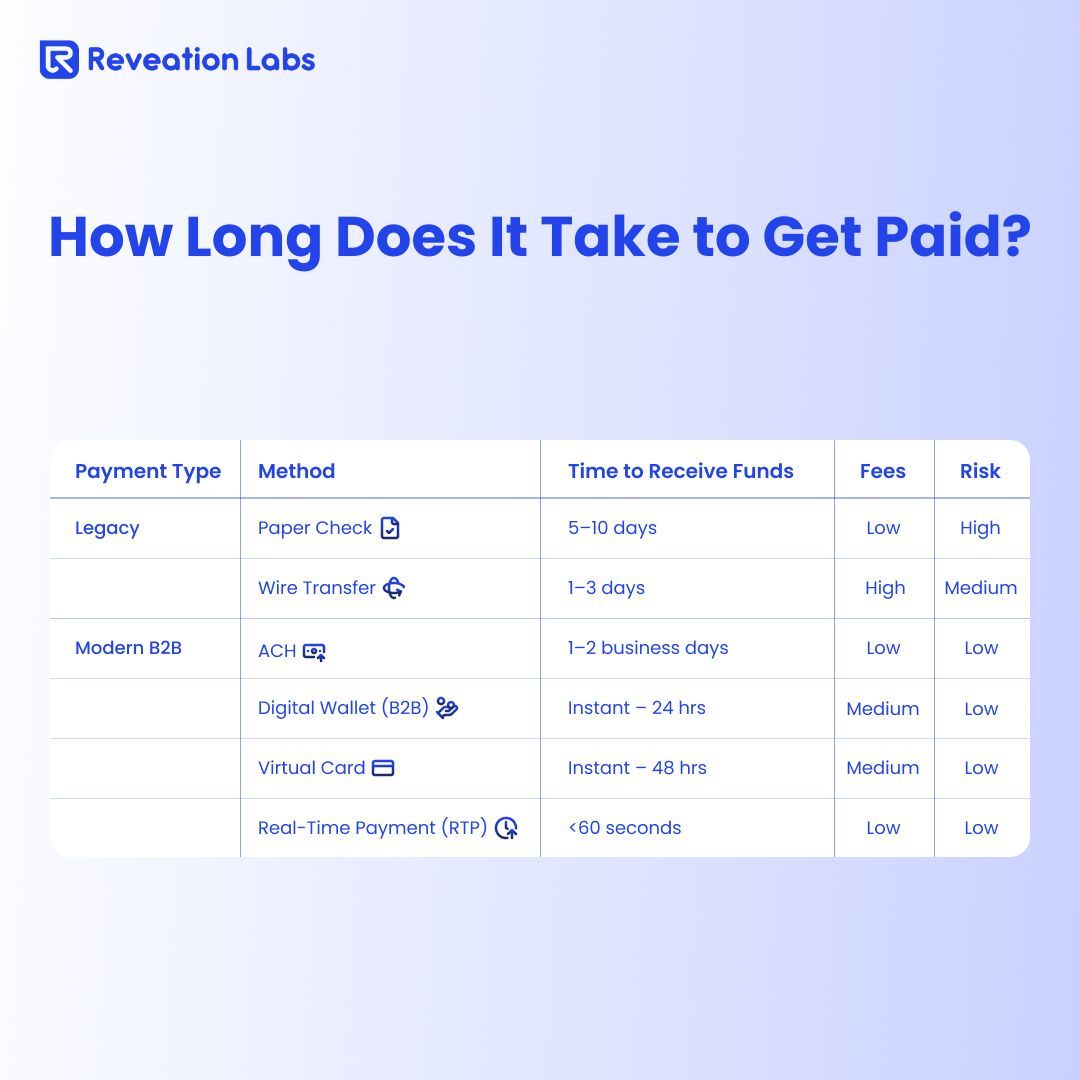
Simply said, traditional wire transfers with their delays, high fees, and lack of openness are not cutting it anymore. Apart from all this innovation, one should also take into account the regulations.
Governments and financial authorities are stepping up their scrutiny of how businesses handle money, especially across borders. This implies that old systems not only lack efficiency but also actually increase your chances of compliance problems.
To make it short:
- Global buyers want seamless payments
- Big players are leading the way
- Regulators are watching more closely
If you’re a distributor still relying on manual invoicing and spreadsheets, now’s the time to rethink. These B2B payment trends aren’t a far-off future; they’re happening right now, and they’re reshaping the way distribution works from the ground up.
Modern B2B eCommerce solutions are reshaping payment experiences for distributors, making transactions faster, more secure, and aligned with evolving buyer expectations.
4. How Distributors Can Keep Up and Lead
A. Invest in the Right Technology
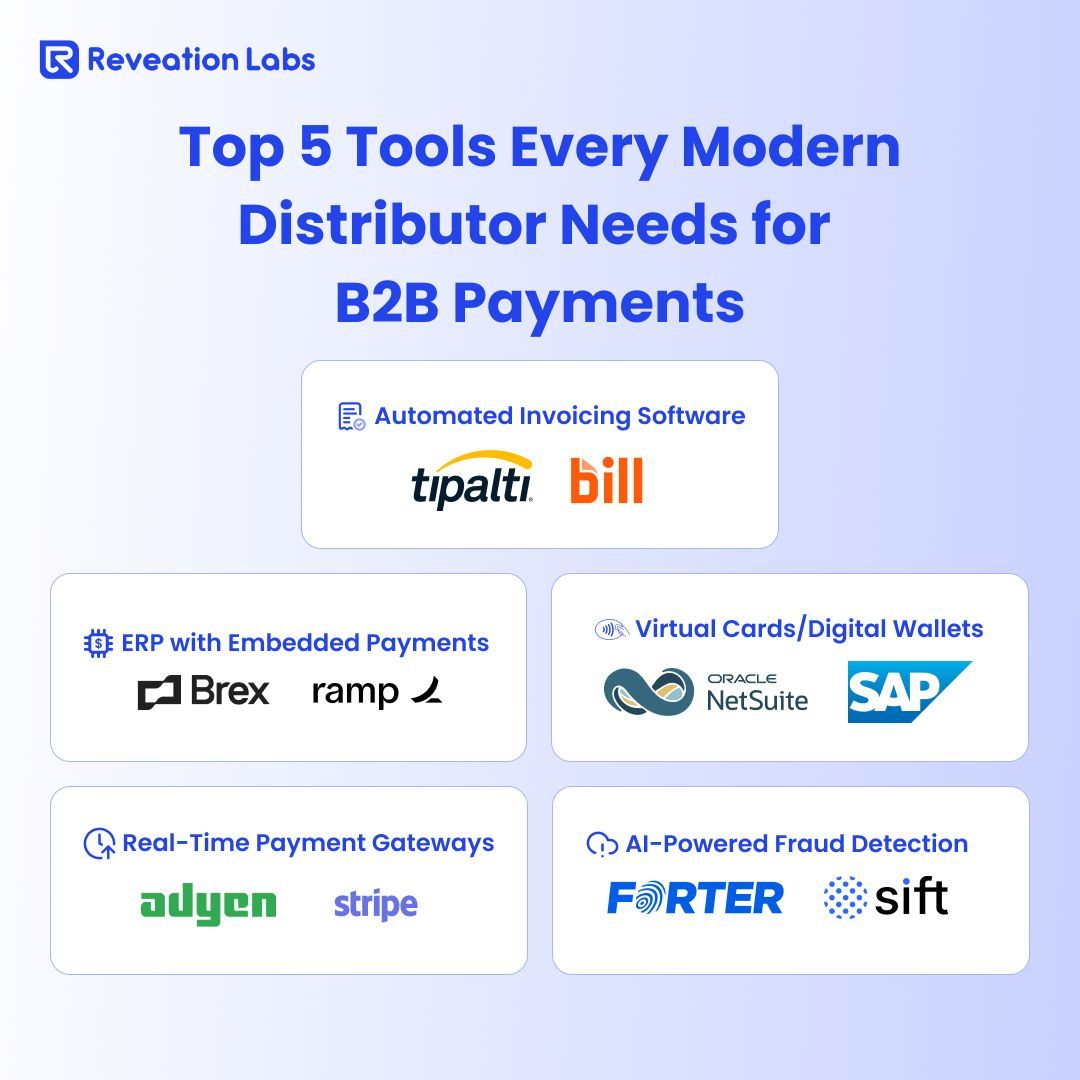
This begins for distributors with upgrading to modern B2B payment solutions that really fit the rest of your tech stack. The best B2B payment platforms are designed to interact with your accounting, CRM, and ERP systems so you're not constantly switching between tabs or double-entering the same data. Faster approvals, fewer errors overall, and more seamless operations generally follow from this.
Don't overlook payment processing either. Distributors deal with tight deadlines and great volume. You need systems that handle several payment methods, from ACH to digital wallets, as well as provide a real-time view of what has been paid and what is still pending.
Above all, cybersecurity cannot be taken for granted anymore. Your payment system should have built-in protection, encrypted transactions, and smart fraud-detecting tools as fraud risks grow and rules get tighter.
A Virto Commerce solution provider can help distributors integrate secure and automated B2B payment solutions that streamline transactions and improve cash flow management in 2025.
B. Focus on the Customer Experience
B2B buyers today aren’t just looking for good products; they want a smooth, modern payment experience, too. Think about it: they are personally using Venmo or Apple Pay, among other apps. Thus, the expectation continues to exist suddenly when they start shopping for their business.
Distributors who offer flexible B2B payments, like split payments, scheduled payments, or multiple payment method options, instantly stand out. It shows you’re thinking about their needs, not just your bottom line.
And then there’s speed. With real-time payments becoming more common in B2B, no one wants to wait days for funds to clear. When your system can process payments instantly or same-day, you’re not just improving cash flow, you’re making life easier for your customers. That kind of convenience builds trust, loyalty, and repeat business.
Also Read: B2B eCommerce for Manufacturers
C. Partner with Fintech Innovators
The payment world is changing fast, and fintech companies are leading the charge. These aren’t just trendy startups anymore; they’re serious players offering advanced B2B payments technology that solves real distributor problems.
From smarter invoicing tools to embedded finance and predictive analytics, fintech for distributors is about giving you access to tools that streamline operations and help you move faster. By teaming up with the right fintech partners, you’re not just keeping up, you’re staying ahead.
These partnerships can open doors to innovation that you might not have the time or resources to build in-house. If it’s about improving cross-border payments, fighting fraud, or offering smoother checkout options, fintech is helping distributors compete like never before.
Through our B2B eCommerce Consulting services, we guide businesses in implementing secure, scalable, and efficient digital payment systems.
5. Conclusion: Ready for the Future of B2B Payments
In this new era, clinging to outdated systems is like trying to watch a movie on DVD. It’s slow, frustrating, and eventually, it just stops working.
We’ve seen it all: automation, AI, embedded finance, digital wallets, even crypto, all shaking up the B2B space and rewriting the rules. These aren’t just flashy trends; they’re becoming the new normal. The future of B2B payments is smarter, faster, and more connected than ever before.
For distributors, this is the moment to lean in. Modernize your B2B payments.
Look for tech that works with your business (not against it). Prioritize security, flexibility, and speed. Because the distributors who embrace these B2B payment trends now won’t just keep up, they’ll lead the way.
Reveation Labs’ B2B eCommerce expert team guides distributors in navigating the evolving world of B2B payments, ensuring secure, seamless, and scalable transactions. Staying ahead of payment innovations is key to driving efficiency and global growth.
FAQs
1. What exactly are digital B2B payments, and why should distributors switch?
Digital B2B payments replace slow, manual processes with fast, automated transactions. This reduces errors, speeds up cash flow, improves transparency, and helps distributors stay competitive.
2. How can automation improve the B2B payment process?
Automation means invoices are sent instantly, payments tracked without manual work, and overdue payments followed up automatically. This saves time, cuts mistakes, and ensures faster access to funds.
3. Are digital wallets and virtual cards safe for B2B transactions?
Yes. Digital wallets and virtual cards offer secure, real-time payment options that reduce fraud risk and speed up settlements, making them increasingly popular among distributors and buyers.
4. What should distributors prioritize to keep up with changing B2B payment trends?
Distributors must invest in tech that integrates well with their current systems, focus on customer-friendly payment options, and partner with fintech companies offering flexible, secure, and innovative solutions.